

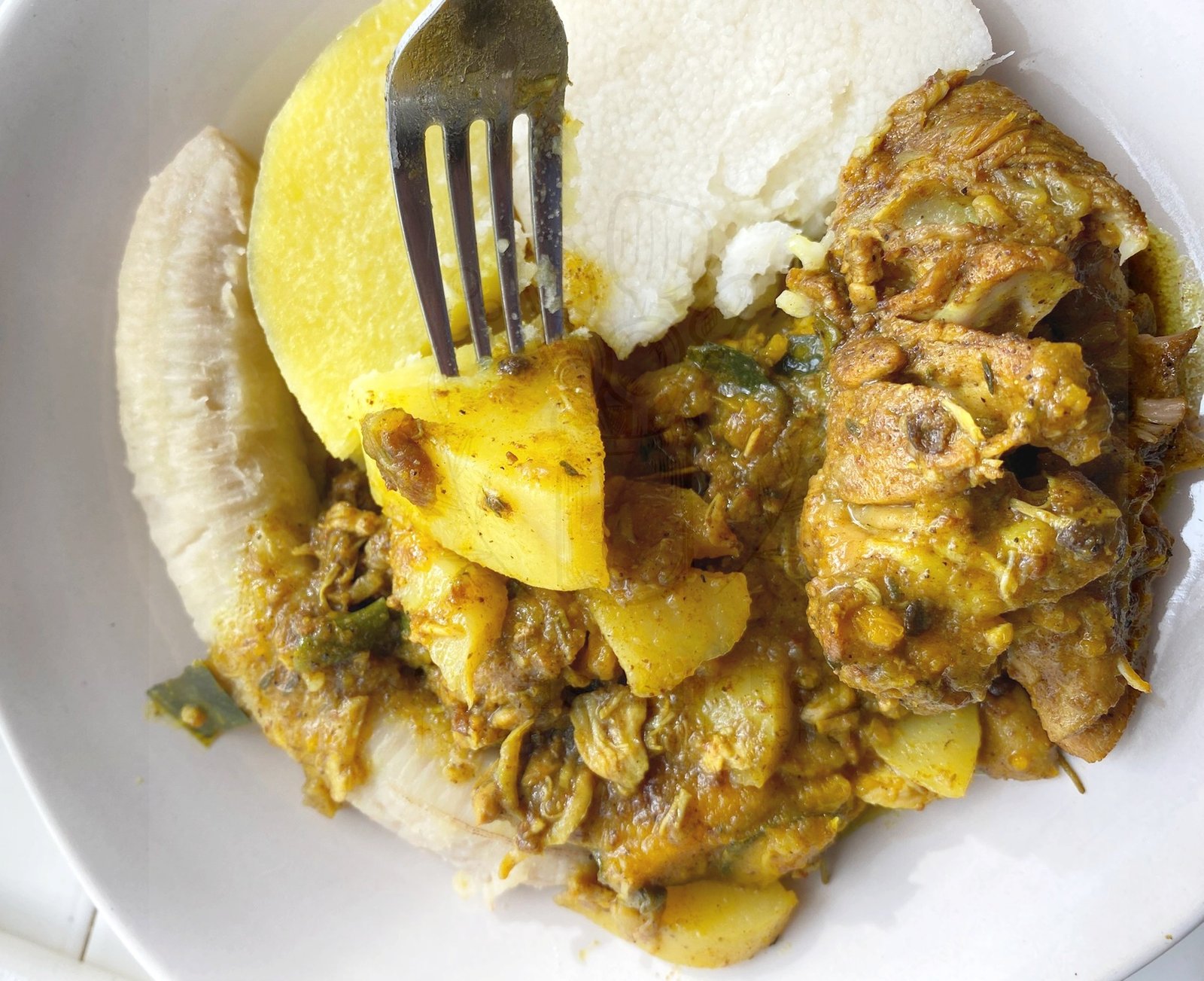
One of the things life and experience have taught me is that there is no such thing as a Caribbean ingredient. There are definitely cooking styles and flavors that are more identified with specific cultures. Foods like ackee, which make up half of Jamaica’s national dish, ackee and saltfish, originate from West Africa. Saltfish actually made its way to the Caribbean by way of trade. Our rums were traded for fish from Newfoundland and other European countries. Today, saltfish is an inherent part of many Caribbean dishes. Yellow curry, which is closely associated with Caribbean Cuisines (Jamaica, Trinidad, and Guyana), raise your hands!!! can be credited to the Indians who migrated in large numbers to the Caribbean region in the early 1920s. But let’s not digress. Below is a constantly evolving list of some of the most popular “Caribbean” ingredients and the many ways in which we use them across various Caribbean nations.
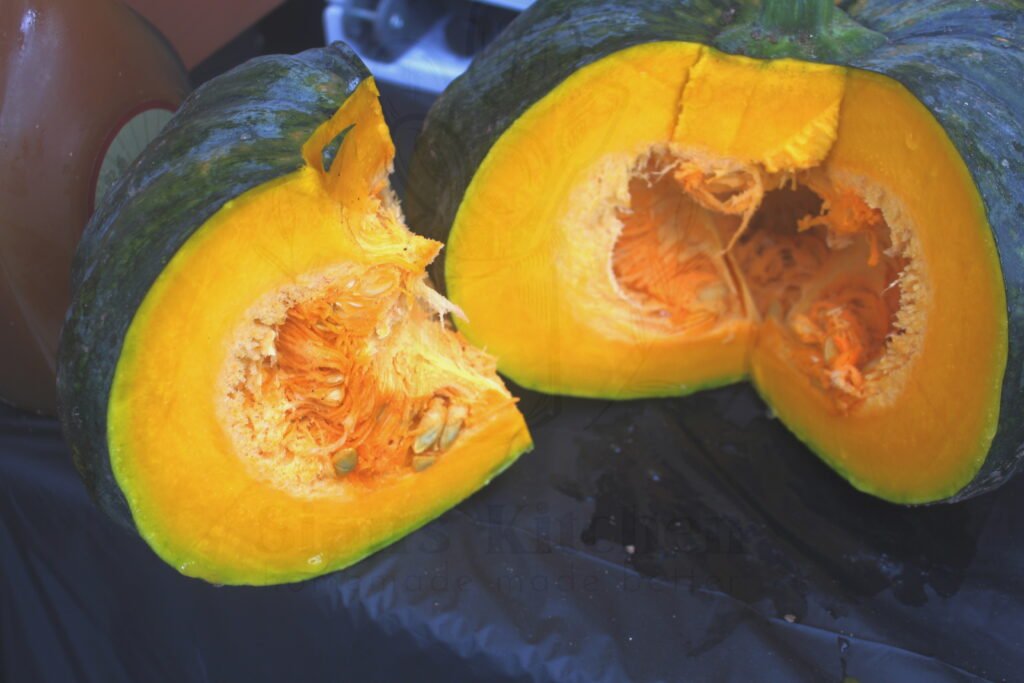
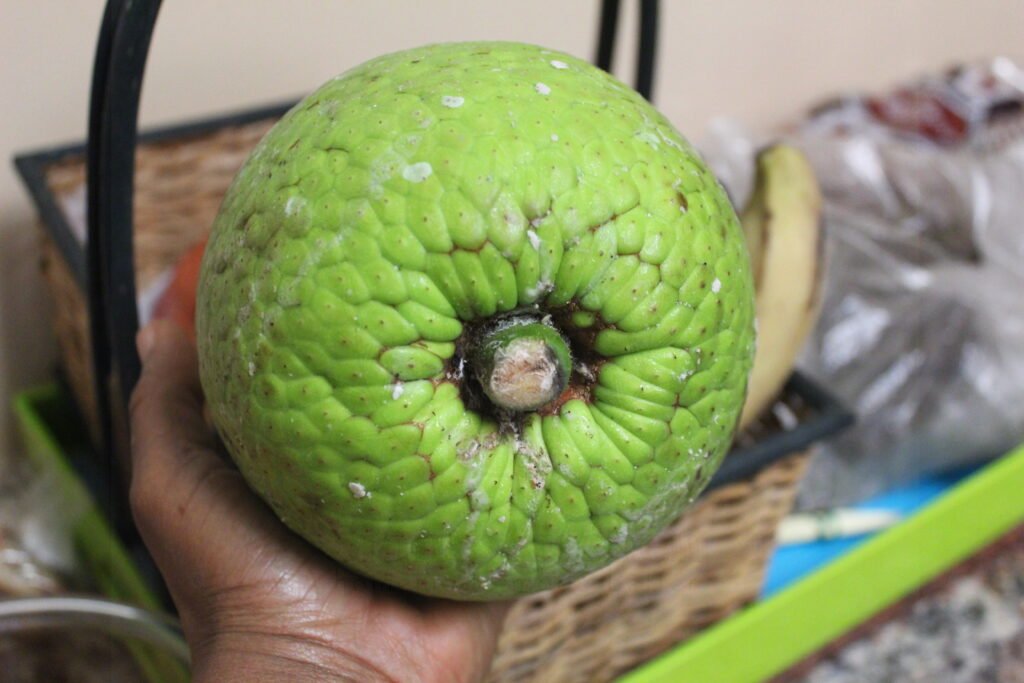
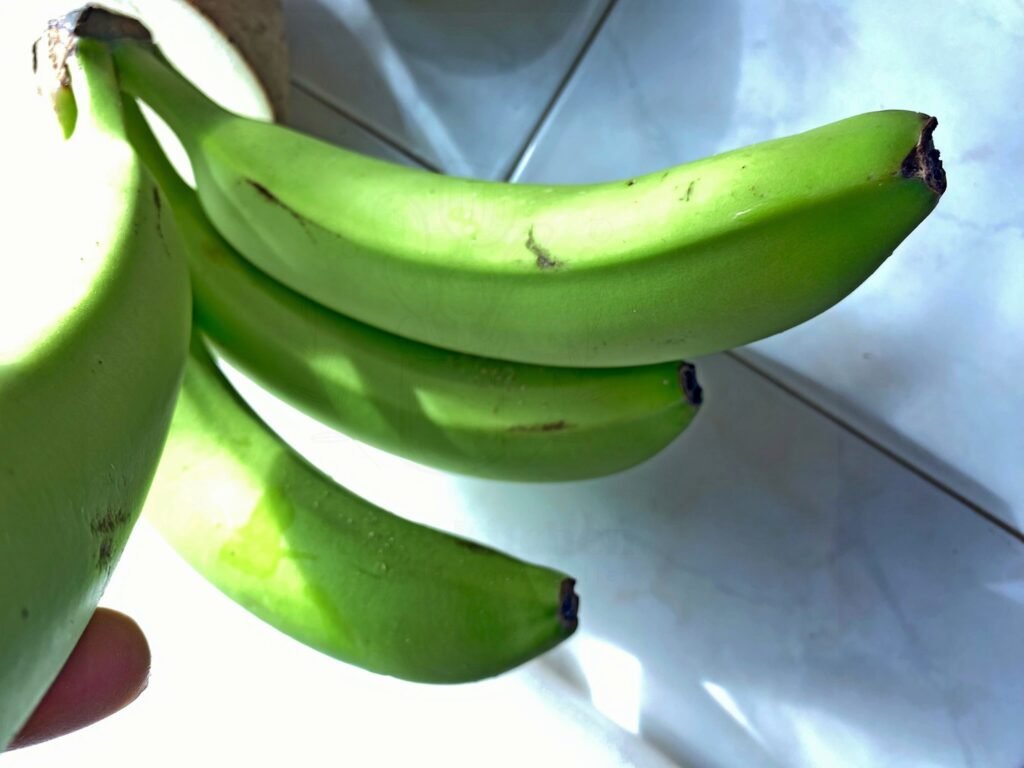
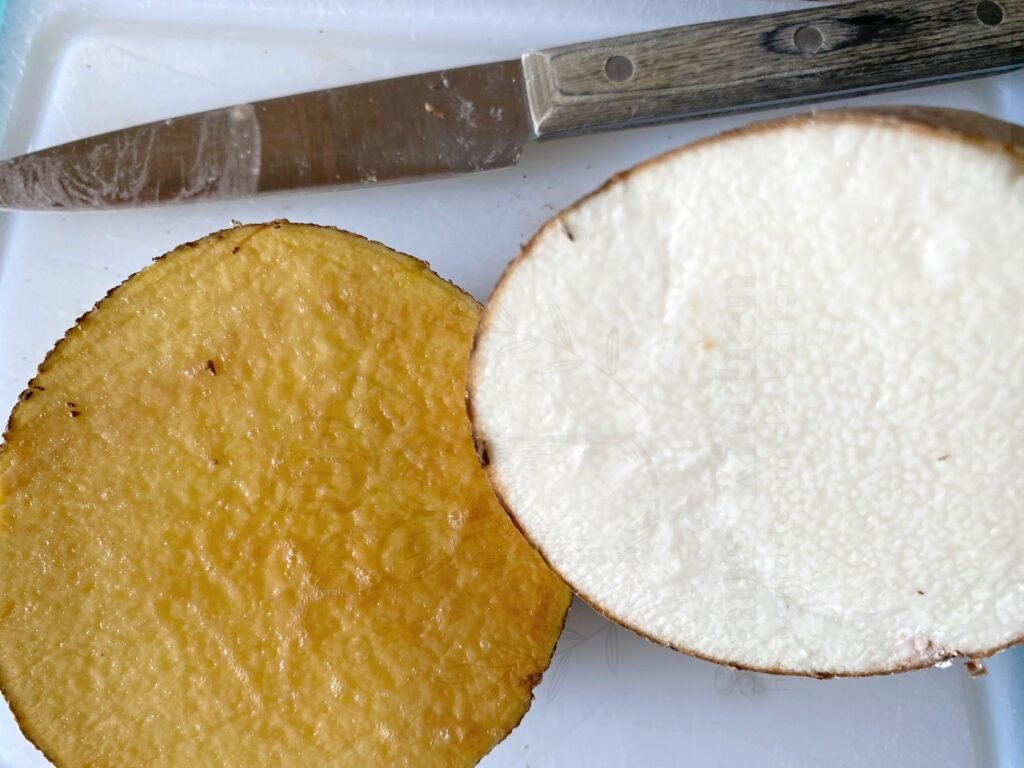
Many, if not all, of the plant foods used in Caribbean food preparations can trace their roots to Africa, India, and East Asia. For hundreds of years, as people migrate to different regions, they bring their food with them. As a way of preserving their connection to their homeland. As it would happen. Many of the larger groups that migrate to the Caribbean hail from Africa and Asia. Because of the similar climate, many of the foods thrive well in the Caribbean. Same way, the language and other cultural markers have survived for generations.
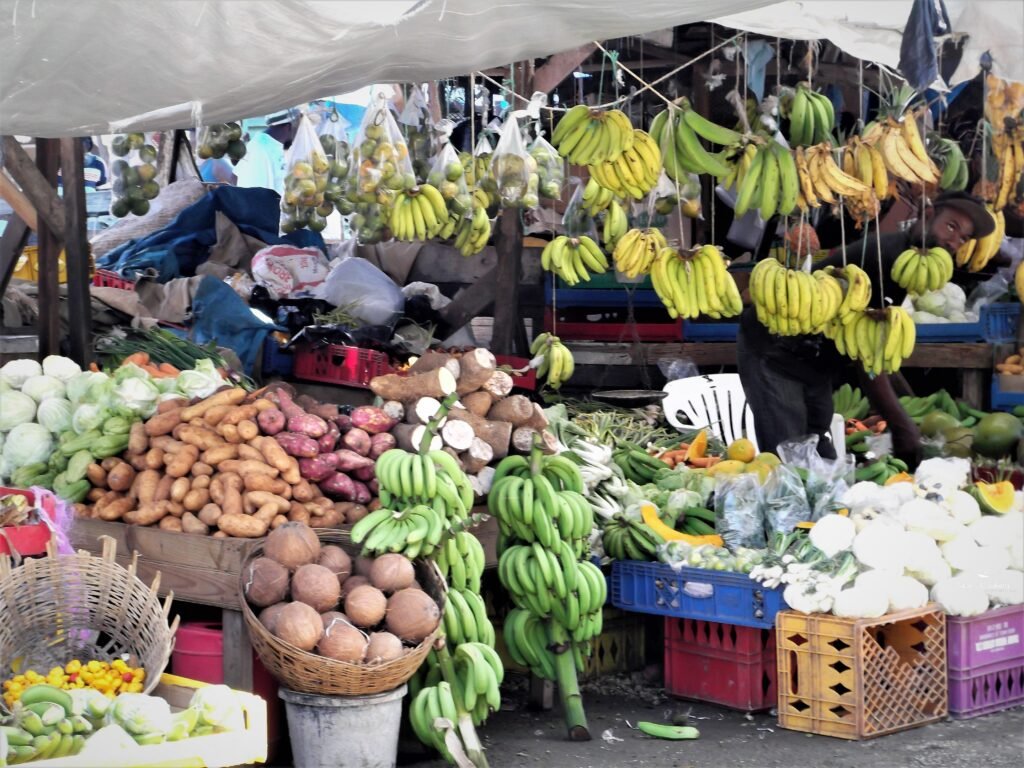
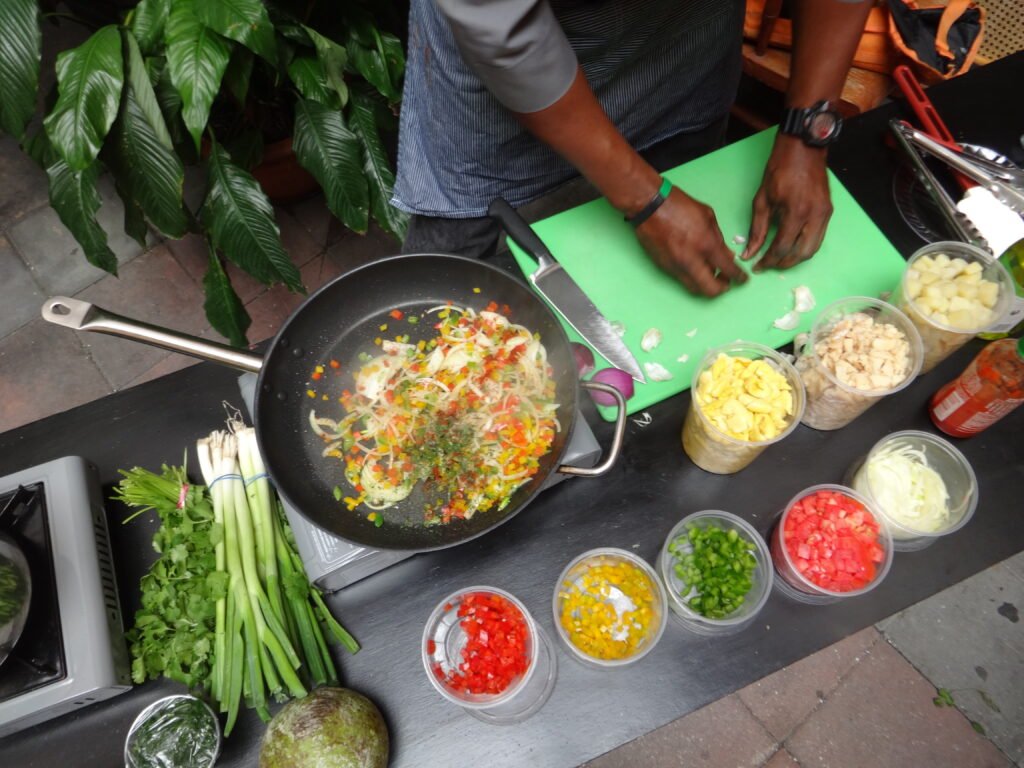
Through work, travel, and just living, I have had the good fortune to live among people from several Caribbean countries, and the experience(s) have been life-changing. As a professional cook, one of the most significant things I have learned is that chicken is chicken, just as bananas are bananas wherever you go. Sure, they come in different colors, shapes, and sizes, but a green banana by another name is a green banana just the same.
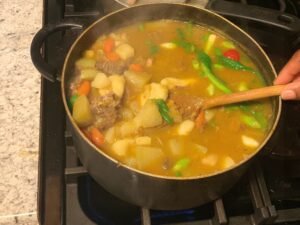

Pingback: Jamaican Pumpkin-Beef soup Recipe – Sian's Cooking